

What type of fuel does a 15hp outboard motor use?
Oct 13, 2026
Leave a message
If you're shopping for a 15hp outboard motor, chances are you've spent hours wading through specs, reviews, and probably a million questions about what fuel it actually runs on. As someone who's been supplying these motors for years-answering calls at 8pm from anglers stuck on a lake, helping weekend boaters troubleshoot mid-season, and walking first-time buyers through every step-I can tell you this question comes up more than you'd think. A lot of people assume all small outboards run on the same stuff, but there's more to it than just "gas." Let's break it down, throw in some real-world tips, and make sure you don't end up with a tank full of wrong fuel (trust me, I've seen that mistake way too many times).
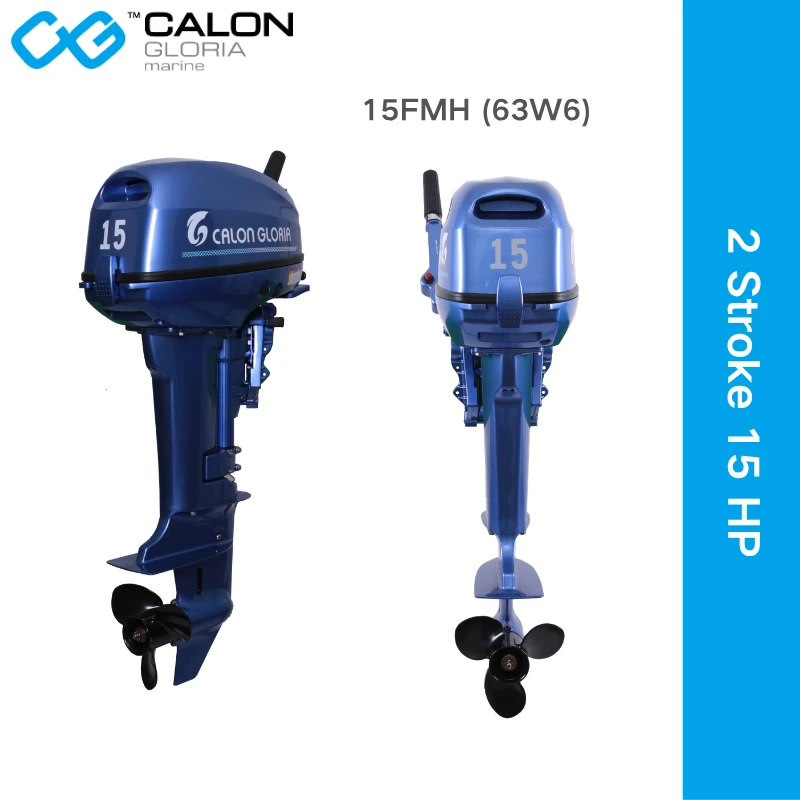
First, let's get the basics straight: most 15hp outboard motors on the market right now are either 2-stroke or 4-stroke, and that difference changes everything when it comes to fuel. It's not just a random quirk-those engine designs were built for different needs, and their fuel requirements follow suit. Let's start with the older, more traditional 2-stroke models, since they're still super popular for light, portable 15hp setups. If you've ever heard a small outboard make that high-pitched, zippy rev, chances are it's a 2-stroke. For these, it's not just plain gasoline-you need a mix of gas and 2-stroke oil. The ratio is key here, too. Most 15hp 2-strokes run on a 50:1 ratio, which means 50 parts of gas to 1 part of oil. Some older models might use 40:1, so always check your owner's manual-don't just guess, because too little oil will seize up the engine fast, and too much will leave a smoky mess that clogs the spark plugs.

Now, the 4-stroke 15hp motors-these are the newer, more low-maintenance kids on the block. They don't need that gas-oil mix. Instead, they use regular unleaded gasoline, just like your car or lawnmower. Wait, not just any gas, though. We usually recommend 87-octane, the same stuff you pump at the grocery store. The only catch? If you've got a direct-injection (DI) 4-stroke, you might need a little higher octane, like 89, but that's pretty rare for 15hp models. The big perk of 4-stroke 15hp motors is less maintenance-no mixing fuel, fewer emissions, and they're quieter too. A lot of first-time boaters go for these because they don't want to mess with measuring oil every time they fill up.
Let's talk about why this matters so much for a 15hp motor specifically. These motors are small, so they're used for all kinds of things: fishing in small creeks, dinghy duty on a yacht, kayaking trolling, even powering a small inflatable for the lake. If you get the fuel wrong, you're not just wasting money-you could be stranded. I once had a customer bring a 15hp 2-stroke to our shop because he filled it up with straight gas, no oil. He'd taken it out for a day of bass fishing, and about an hour in, the engine locked up. He was stuck in the middle of a cove for three hours waiting for a tow. That's the kind of mistake we see all the time, and it's totally avoidable if you just get the fuel right.
Now, let's clear up some common misconceptions. A lot of people think all outboard motors run on marine-specific gas, but that's not true for 15hp models. Sure, if you're dealing with a bigger, higher-horsepower motor, marine gas can have extra stabilizers to stand up to long hours on the water, but for 15hp, regular unleaded works fine-we've tested it dozens of times. The only time you'd want to splurge on marine gas is if you're storing the motor for more than a month; adding a fuel stabilizer to regular gas works just as well, and it's cheaper.
Another question we get: can I use E15 or E85 in a 15hp outboard? Short answer: no. Most small outboards, especially 2-stroke models, aren't built for ethanol blends higher than 10% (that's E10). Ethanol absorbs water, which can cause corrosion in the engine's fuel lines and carburetor-especially bad for motors that sit for weeks or months.
If you're shopping for a 15hp, you might also be curious about how it stacks up against other sizes, just to get a sense. For example, a 30 Hp 2 Stroke Outboard is bigger, uses more gas, and has different needs, but that's a whole other category. A 15hp is perfect for smaller boats, whereas a 30hp is better for larger dinghies or small fishing boats.
Now, let's talk about choosing the right fuel for your needs. If you're someone who uses your 15hp once a week, doesn't want to mix oil, and values quiet operation, go for a 4-stroke, regular unleaded. If you're a weekend warrior who only uses it a few times a month, wants a lighter, more affordable motor, and doesn't mind mixing gas and oil, a 2-stroke is totally fine. Just stick to that 50:1 ratio, and use a good quality 2-stroke oil-we always tell our customers to use name-brand oil, not the cheap stuff from the gas station, because cheap oil can cause more buildup and engine damage.
Before I wrap this up, let's throw in some quick pro tips I've picked up over the years. First, always mix your 2-stroke fuel in a separate gas can, never directly in the motor's tank. That way you can get the ratio right, and you don't end up with a concentrated oil patch at the bottom of the tank. Second, don't store mixed gas for more than 30 days-old gas breaks down, and that's a surefire way to have a hard start next time you go out. If you're storing your motor for the winter, drain the fuel tank, add a stabilizer to the engine's carburetor, and run it for a minute to make sure the stabilized fuel gets through the lines.
If you're in the market for a 15hp outboard (or any size, for that matter), we've got a full range of gas boat motors, from portable 15hp models for small dinghies to reliable Marine Outboard setups built for long hours on the water. We also have options like the 20 Hp 2 Stroke Engine if you need a little more power for a larger boat, and we're always here to answer any questions-whether it's about fuel requirements, maintenance, or sizing the right motor for your watercraft.

If you're ready to chat about pricing, lead times, or which 15hp model fits your needs best, don't hesitate to reach out. We work with anglers, boat rental companies, and recreational boaters across the country, and we're happy to walk you through every step to make sure you get exactly what you need. Whether you're a first-time buyer or a seasoned boater, we're here to help make sure your time on the water is as stress-free as possible.
References
- National Marine Manufacturers Association. (2022). Outboard Motor Fuel Requirements & Best Practices. Retrieved from industry public guidelines.
- U.S. Coast Guard Auxiliary. (2021). Small Vessel Engine Maintenance & Fuel Safety. Retrieved from boating safety education materials.
- Mercury Marine. (2023). Owner's Manual Guidelines for 10-20 HP Outboard Motors. Retrieved from product technical resources.
- Yamaha Marine. (2022). 2-Stroke vs. 4-Stroke Outboard Fuel Specifications. Retrieved from official engine documentation.
- American Boat and Yacht Council. (2021). Fuel System Standards for Small Marine Engines. Retrieved from regulatory safety standards.