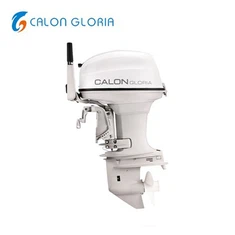


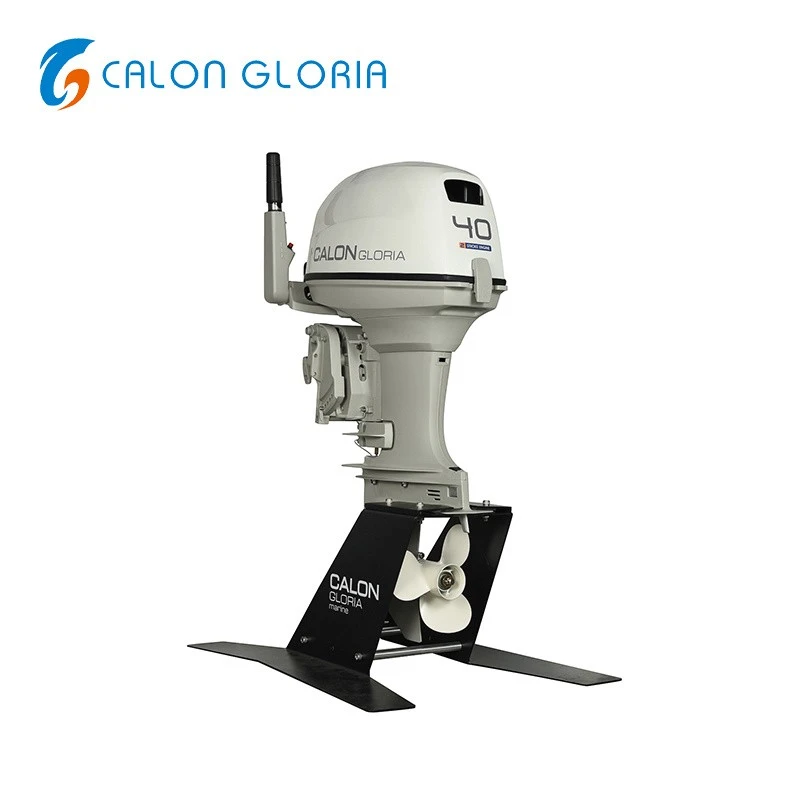
Marine Inboard Outboard Engines
-Silent operation, zero emissions, and no need for manual start-up.
-Experience smooth boating while protecting the environment.
-Spend more time enjoying the water and less on expensive engine maintenance.
Description
Technical Parameters
About Outboards
Marine inboard outboard engines are widely used for various types of boats, providing reliable performance on both freshwater and saltwater. These marine inboard outboard engines combine the best features of inboard and outboard designs, offering power, efficiency, and versatility. Whether for recreational or commercial use, marine inboard outboard engines are an essential choice for boating enthusiasts seeking durability and performance on the water.
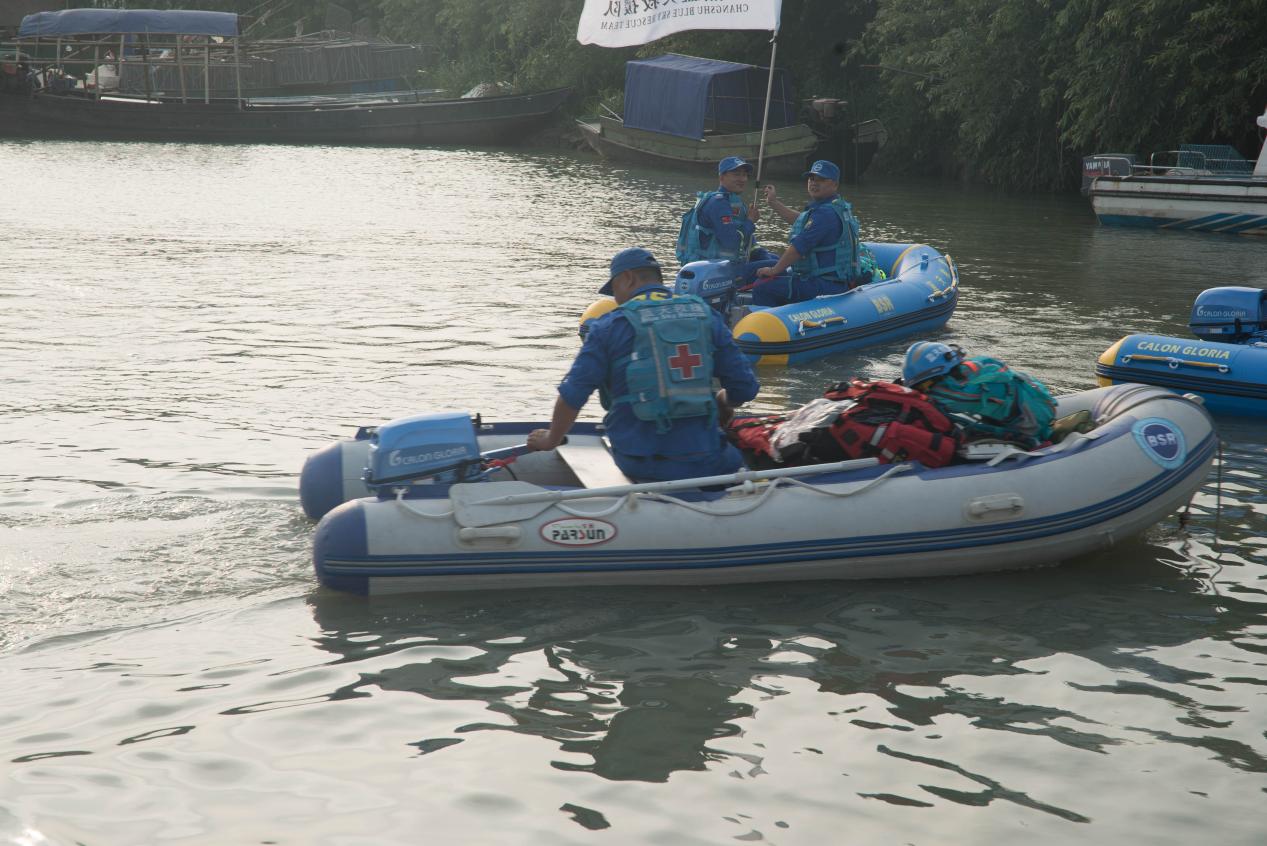
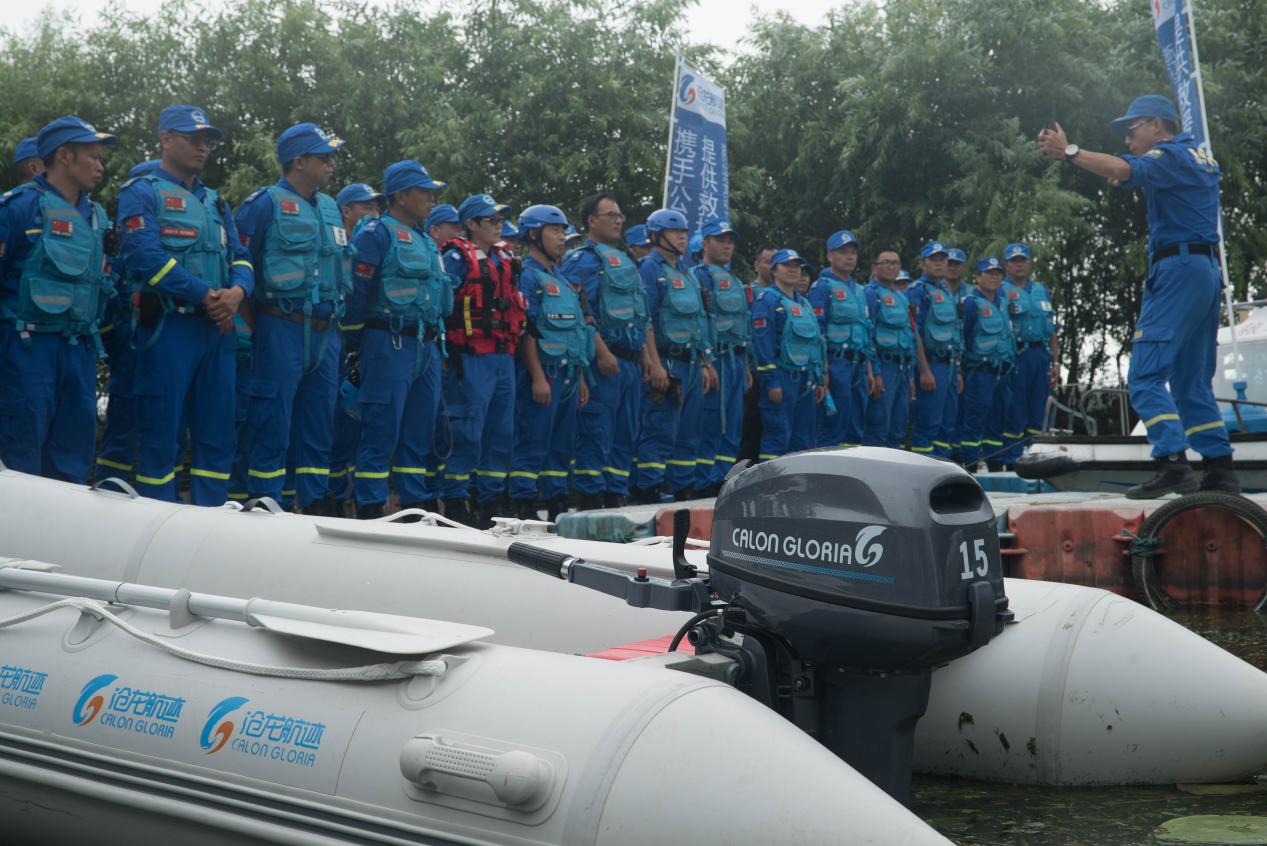
Rescue drill
Joint exercise between Calon Gloria and Lantian Public Welfare

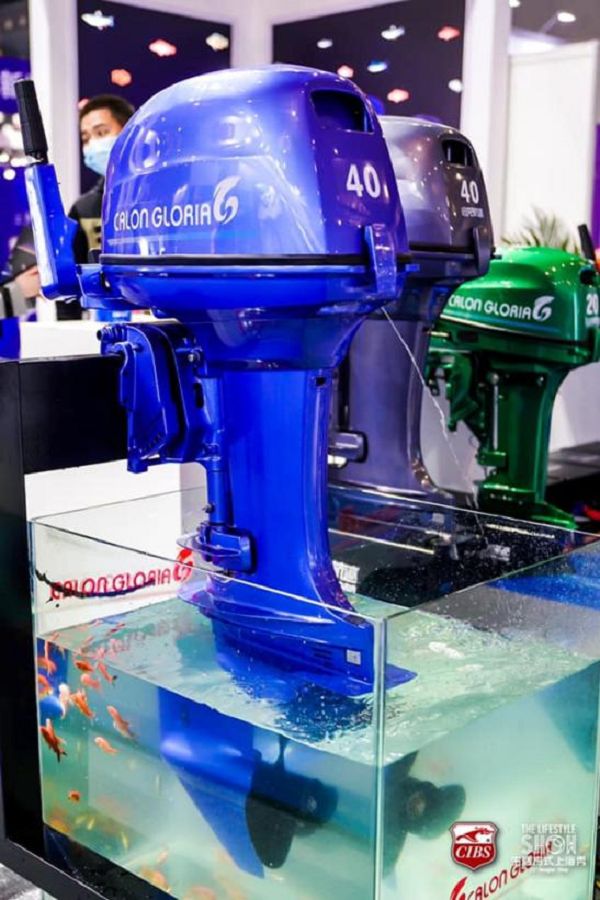
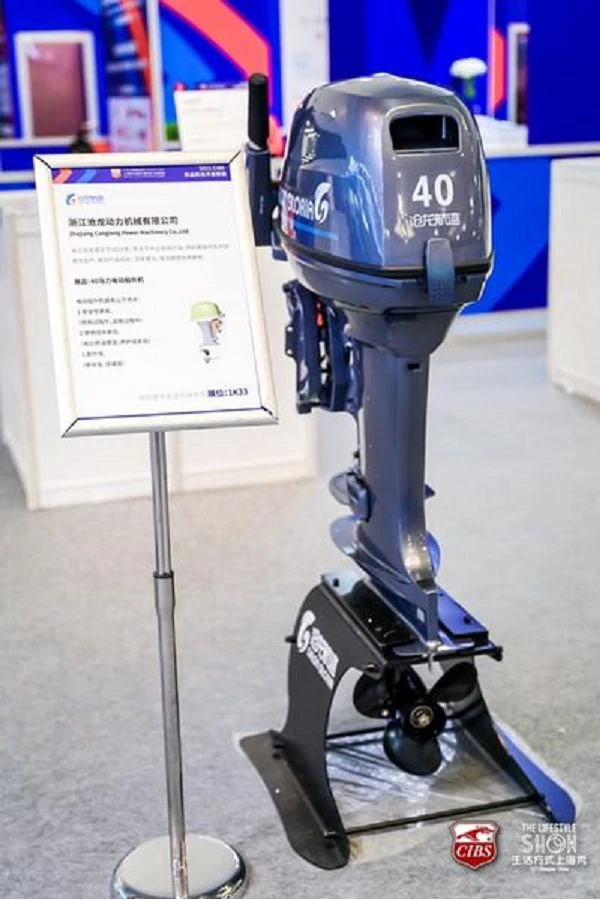
Exhibition

Tips about electric outboard motors
- Unlike internal combustion engines, electric outboard motors are powered by batteries or directly connected to the power grid, offering advantages such as zero emissions, low noise, and lower maintenance costs. Electric outboard motors are typically used on small to medium-sized boats, such as fishing boats, recreational boats, and yachts, and are particularly suitable for use in quiet or environmentally sensitive waters, such as lakes, rivers, and nature reserves.
- The working principle of an electric outboard motor is similar to that of an electric car, converting the electrical energy stored in the battery into power to propel the boat. The advantage of electric outboard motors lies in their ability to provide a smooth, quiet sailing experience while avoiding fuel pollution and odors. As battery technology advances, the range and charging efficiency of electric outboard motors continue to improve, making them an increasingly popular choice for boat owners.
Hot Tags: marine inboard outboard engines, China marine inboard outboard engines manufacturers, suppliers, factory, electric outboards, Electric Outboard Motor, Outboard Marine Engines, Electric Outboard Boat Engines, Marine Inboard Outboard Engines
40HP ELECTRIC OUTBOARD MOTOR
The 40HP electric outboard motors provide strong, eco-friendly performance for recreational boating. Featuring zero emissions and quiet operation, they improve the boating experience while lowering maintenance expenses. While they may have limited range and longer charging times, they are ideal for environmentally-conscious users looking for reliability and efficiency.
| Electric Outboard Motor | |
| Product Model | E40 |
| Motor Rated Power | 30 kw |
| Rated Output Current | 70 A |
| Peak Output Current | 105 A |
| Input Voltage Range | DC 290V ~ DC 500V |
| Motor Type | Permanent Magnet Synchronous Motor |
| Control Method | Closed-loop Vector Control |
| Peak Torque | 147 Nm |
| Rated Torque | 98 Nm |
| Rated Speed | 5900 rpm |
| Gears | F - N - R |
| Gear Ratio | 26:13 |
| Cooling Method | Water Cooling |
| Battery Pack (Recommended Configuration) | |
| Nominal Voltage | DC 409.6V |
| Nominal Capacity | 105 Ah, 1C Charge/Discharge |
| Nominal Energy | 43.01 kWh |
| Voltage Range | DC 364.8V ~ DC 460.8V |
| Weight | 325 ± 15 kg |
| Charging Time |
Fast Charge 60 kW, approximately 45 minutes; Slow Charge 4 kW, approximately 10 hours |
| Endurance Time and Distance (Water Flow Speed 0) |
- (Half Throttle) E40 about 340 minutes, approximately 55-60 KM - (Full Throttle) E40 about 80 minutes, approximately 30-36 KM |
|
The above test results are based on: a 5.2-meter fiberglass inflatable boat + a 43 kWh battery pack + 3 personnel. At full throttle, the maximum speed is 30 km/h, with a stable cruising speed of 27.5 km/h. At half throttle, the cruising speed is 11 km/h. |
|
Previous
Outboard Marine EnginesSend Inquiry