


How Do I Use My Outboard Engine in Salt, Sea Water?
Jan 21, 2022
Leave a message
The passage is mostly clear but contains some minor grammatical errors and awkward phrasing. It doesn't seem to be a direct translation from Chinese to English, but there are some instances where the phrasing could be more natural. Here's a corrected version with minimal changes to maintain the original meaning:
How to Protect Your Outboard Motor from Saltwater Damage
Sailing a boat in the ocean is a pleasure. You can enjoy the sea scenery or catch a bunch of saltwater fish for dinner. But does saltwater affect the operation of the outboard motor? How can you ensure that the outboard motor isn't eroded while sailing? If you want to know, read on.
Flush with Fresh Water
Use a high-quality flush adapter that fits the lower unit's water intake port and run the engine in neutral for at least 5 minutes to flush out any saltwater. Your owner's manual will provide more information on this procedure, including important safety precautions.
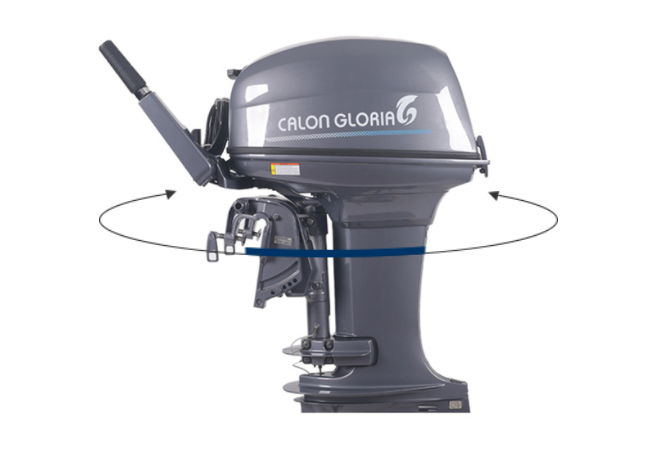
Sacrificial Zinc Anodes
Most outboard engines are equipped with zinc anodes that "sacrifice" themselves to protect other metal parts from corrosion. However, to maintain proper operation, these zinc anodes need to be replaced as recommended in the owner's manual, or once they are reduced to less than 50% of their original size. In areas with extremely corrosive saltwater, it's wise to add an additional zinc anode below the boat's draft line and connect it to the engine using quality marine wire.
Waxing the Outboard Engine
Carefully clean the engine with mild soap and water. This not only helps keep your outboard engine looking good but also removes salt and other deposits. Using a good-quality marine wax will help seal and protect the finish from the sun and salt.
Avoid Direct Sunlight
Direct UV rays from the sun can damage finishes and deteriorate exterior plastic and rubber parts. For this reason, it is best to store your engine out of direct sunlight. If that's not possible, protect the engine with a high-quality, UV-resistant fabric cover while in storage.

Use Silicone Spray
Every second or third trip, after making sure the engine is turned off and cool to the touch, remove the outboard's hood and apply silicone spray to the powerhead. Be sure to use a silicone spray that won't damage rubber or plastic. One of the best options is CRC brand heavy-duty silicone lubricant.
Repairing Paint Scratches
Always check your outboard for nicks and scratches, as these are where corrosion can start and spread. Repair any surface scratches with color-matched touch-up paint. For deeper scratches, especially where bare metal is exposed, use a quality metal primer first.
The Key to Lubrication
Outboards have special grease fittings for lubrication and to prevent corrosion at critical points where the engine rotates and spins. Use a grease gun to apply grease through these fittings regularly, as recommended in the owner's manual. Additionally, periodically remove the propeller and apply a coat of grease to the propeller shaft.
If you need to purchase high-quality outboard motors, please contact us today for a quote.